
Can you paint over cracked stucco? What actually happens when you skip the repair
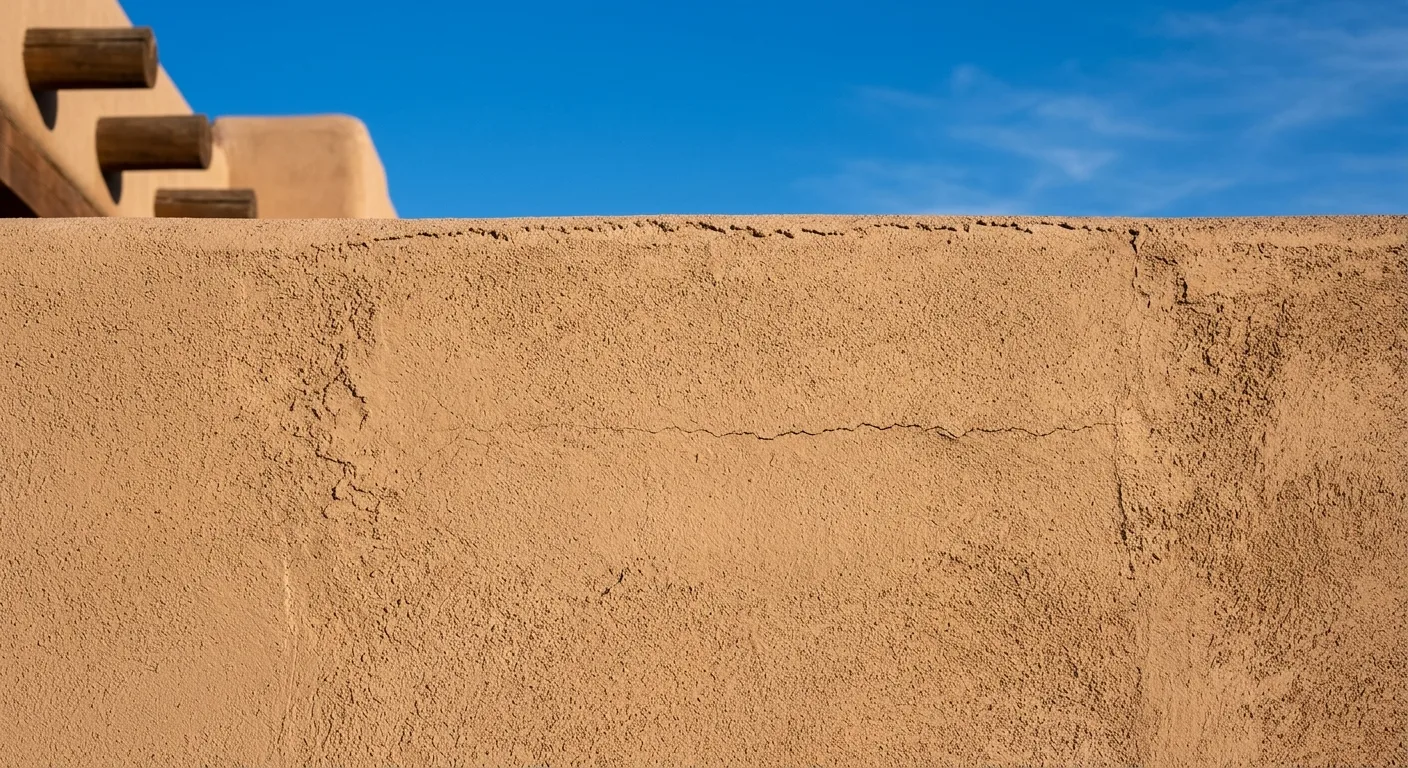
Can you paint over cracked stucco? You physically can, and plenty of homeowners do it every spring, but here is the honest answer after fixing these jobs across the Valley for years: paint over a bare crack and all you have done is seal it for one summer. The next monsoon works moisture back into that same line, the stucco moves with the heat, and the crack telegraphs right back through your fresh coat by the following fall. The right call is to repair and texture-match the crack first, then recoat the wall as one job. That is how the patch disappears instead of showing. Novak Painting Group is bonded and insured, owner Cody Novak walks every job himself, and the estimate is free.
Can you paint over cracked stucco in Phoenix?
You can paint over a cracked stucco wall, but a standard coat of exterior paint will not hold a crack closed, and in Phoenix it reopens fast. Paint film is thin, maybe a few thousandths of an inch, and stucco in the Valley swells in daytime heat and contracts at night, so the wall is constantly moving under that film. A hairline crack painted over in April is usually visible again by the first monsoon storms in July. The only version of "painting over" that lasts is repairing and texture-matching the crack first, then coating the whole wall.
Painting over an unrepaired crack doesn't fix it. It buys you one summer, and you usually pay it back with a wider crack the next.
There is one narrow exception worth naming. A very fine, stable surface craze in the stucco finish coat, the fine spiderwebbing that is not opening up or letting water in, can sometimes be bridged by a thick elastomeric coating as part of a full recoat. That is not the same as a structural or moving crack, and it is a judgment call I only make after putting hands on the wall.
Will paint cover stucco cracks?
Paint will hide a hairline crack visually for a short time, but it will not cover it in any lasting sense, because paint is a color and protection layer, not a filler. On a bare hairline crack a standard acrylic coat sinks in and skins over, so the line disappears on day one. Then the wall moves, the brittle paint film over the crack splits along the exact same line, and you are looking at the crack again, often within a single Phoenix cycle of heat and monsoon.
Thicker coatings change the math a little, which is where the confusion comes from. Here is how the three common choices actually behave on a cracked Valley stucco wall.
| What you put on the crack | What it does on a real crack | How long it holds here |
|---|---|---|
| Standard exterior acrylic | Hides a hairline on day one, splits along the same line when the wall moves | One season, often less |
| Elastomeric coating alone | Can bridge fine, stable surface craze; will not hold a moving or wider crack shut | A few years on fine craze only |
| Repair, texture-match, then recoat | Fills and reinforces the crack, blends the texture, then coats it like the rest of the wall | Lasts with the repaint cycle |
The pattern is simple. The thinner the product, the faster the crack wins. Nothing in a can covers a real crack for long, which is why the durable answer always starts with repair, not a heavier gallon of paint.
When this is not the job for you
Here is the part a lot of companies will not say because it might cost them the sale. If the only thing on your wall is a single fine craze line in the finish coat, it is not opening up, there is no staining or soft spot around it, and your last quality repaint was recent, you may not need to do anything yet. A wall like that can often ride until your normal repaint cycle, and forcing a repair-and-recoat early is money you do not have to spend. Call your painter out to look, but do not let anyone talk you into a full stucco repair over one stable hairline. I will tell you to wait if waiting is the right call, because talking a homeowner into work they do not need is not how I run.
If you do see the crack widening, water staining below it, or more than one crack spreading across an elevation, that is a different conversation, and it is worth having before the monsoon. Call or text (480) 420-7391 and I will come look before I quote.
How to fill stucco cracks before painting
Filling a stucco crack the right way before painting is a repair sequence, not a bead of caulk and a prayer. The goal is to fill and reinforce the crack, then rebuild the texture so the patch matches the wall, so that when the paint goes on the whole surface reads as one. Here is the order we work in on a Valley repaint when a wall has cracks.
- Clean and open the crack. We brush out loose debris and, on anything beyond a true hairline, widen it slightly so the filler has something to key into instead of sitting on top.
- Fill with the right product for the crack size. Hairlines take a flexible masonry crack filler or elastomeric patch. Wider or structural cracks get a patching stucco or base coat, sometimes with mesh reinforcement so the repair moves with the wall instead of re-splitting.
- Texture-match the patch. This is the step that separates a repair that disappears from one that shows. We match the surrounding finish, whether it is a sand float, a lace and skip, or a smooth coat, so the patch has the same texture as the wall around it.
- Let it cure, then prime the repair. Fresh patch material and bare spots need a masonry primer so the topcoat bonds evenly and the repaired area does not flash a different sheen.
- Recoat the whole wall, not just the patch. Painting only the patch leaves a visible halo. Coating the full elevation is what makes the repair vanish and gives the wall even UV protection going forward.
The texture match is where most DIY crack repairs give themselves away. A smooth patch on a sand-float wall shows through any color you put over it, because the light catches the flat spot even when the color is perfect.
Done in that order, the crack repair and the repaint are genuinely one job with one crew, which is the only way the patch blends into the texture instead of telegraphing through a fresh coat. That sequence is the whole point of how we approach stucco crack repair and texture matching before the repaint: fix the wall first so the finish has something sound to sit on.
Why repairing before you paint is the cheaper path in the end
It feels backwards, but doing the repair first usually costs less over the life of the wall than painting over the crack twice. When you paint over a bare crack, you are not just going to repaint sooner. You are letting monsoon moisture work behind the coating in the meantime, and water that gets behind stucco does not stop at cosmetics. It can soften the substrate, lift more paint from behind, and turn a hairline into a patch-and-repair that is bigger than the one you skipped.
That is why I bundle the crack work into the repaint instead of pretending a heavier coat will solve it. One mobilization, one crew, one finish that actually holds. When the walls are sound, the exterior repaint built for Phoenix UV and monsoon is what makes the color last, with UV-resistant coatings spec'd heavier on the south and west elevations that take the worst of the summer sun. Get in touch for a free estimate at (480) 420-7391 or reach out here and I will walk the walls before I quote a number.
Frequently asked questions
Why does stucco crack in Arizona heat?
Stucco cracks in Arizona mostly because of thermal movement and moisture. Through a Phoenix summer the wall heats up and expands during the day, then contracts as it cools overnight, and that constant cycle works fine hairline cracks into the finish coat. Monsoon moisture from roughly July through September then forces its way into those cracks and widens them a little more each season. Older homes and large unshaded south and west walls tend to show it first, because they take the most heat and the most direct sun. Some fine surface craze is normal and stable, but cracks that are opening up, staining, or spreading are the ones to repair before you paint over them.
Should you repair stucco before or after painting?
Always repair stucco before painting, never after. Paint is a finish, not a filler, so it will not hold a crack closed, and painting first means you would have to patch and texture-match over a fresh coat and then repaint the patched area anyway. The correct sequence is to fill and reinforce the crack, texture-match the patch to the surrounding finish, prime the repair, and then coat the whole wall as one job. Done in that order the repair blends into the texture and disappears under the paint. Doing it the other way around leaves a visible patch and wastes the coat you just applied.
Can you paint over hairline cracks in stucco?
You can, but on a bare hairline crack a standard coat of paint only hides it for a season before it reopens along the same line, because the wall keeps moving with Phoenix heat and the thin paint film splits with it. A very fine, stable surface craze that is not opening or letting water in can sometimes be bridged by a thick elastomeric coating as part of a full recoat, but that is a judgment call made on the wall, not a rule. For any hairline that is actually a crack rather than cosmetic craze, filling and texture-matching it before you paint is what makes the repair last.
Will elastomeric paint cover stucco cracks?
Elastomeric coatings are thicker and more flexible than standard paint, so they can bridge fine, stable surface craze on a stucco wall as part of a full recoat. What they cannot do is hold a moving crack or a wider, structural crack shut. Those keep opening underneath and will split the coating along the same line. So elastomeric helps on fine cosmetic craze, but it is not a substitute for repairing a real crack first. The durable approach is to repair and texture-match the actual cracks, then coat the wall, whether the topcoat is a premium acrylic or an elastomeric.
How long does paint last over an unrepaired stucco crack in Phoenix?
Usually about one season. A standard coat of paint over a bare, unrepaired stucco crack in Phoenix typically reopens within a single cycle of summer heat and monsoon moisture, often reappearing by the first storms in July or by the following fall. Worse, while the crack is sealed over, water can still get behind the coating during the monsoon and work on the stucco underneath, so the crack often comes back wider than it started. Repairing and texture-matching the crack before the recoat is what makes the finish actually last with your normal repaint cycle instead of failing in a year.