Bonded & Insured Serving Greater Phoenix (480) 420-7391
Novak Painting Group
Free Estimate
Stucco Sealing · Phoenix, AZ

Stucco sealing in Phoenix, water out, color locked in.

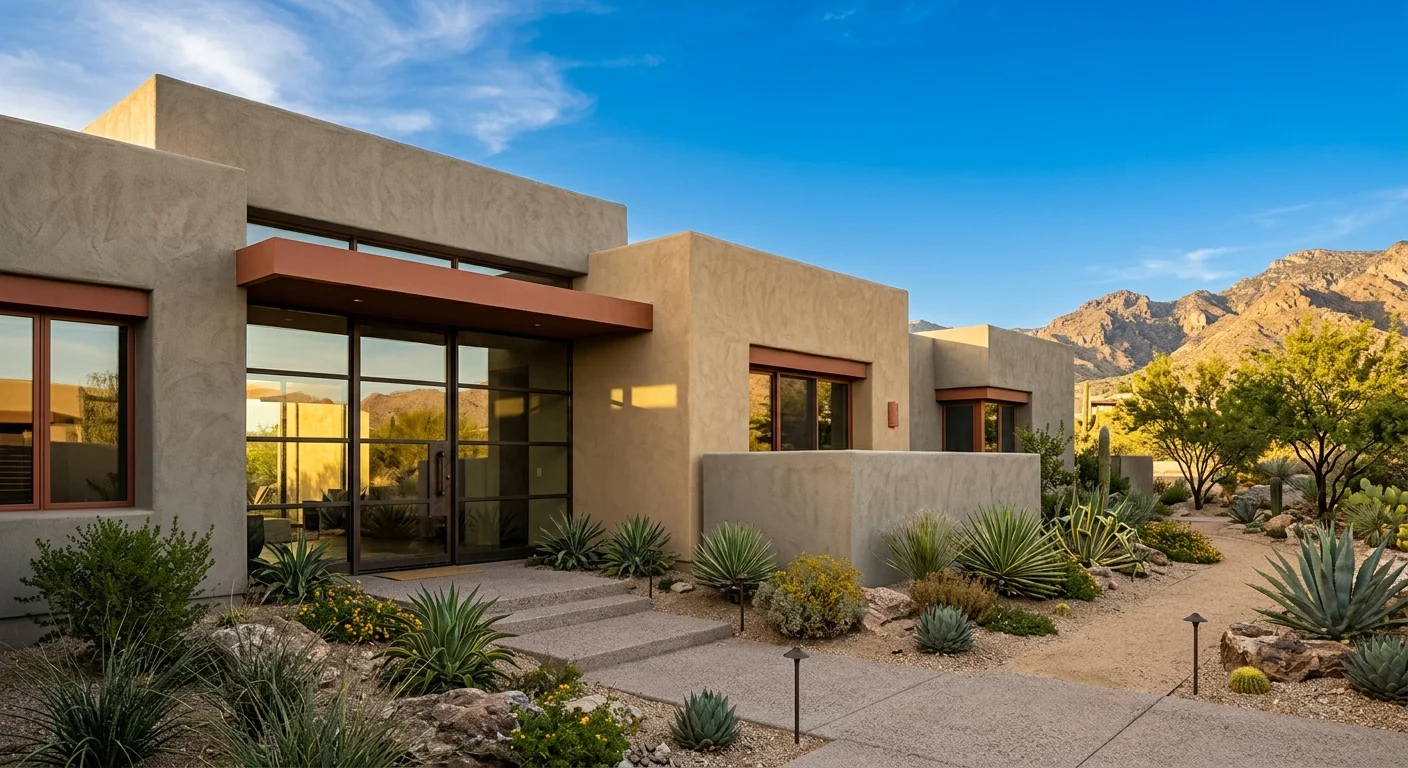
Open hairlines, chalky faded walls, and water finding its way into the wall system are what happens when aging Phoenix stucco goes unsealed. We read the wall first, then seal it with the right product, so moisture stays out and the color holds instead of baking away.

  • We read whether the wall wants a breathable masonry sealer or an elastomeric coat before sealing anything
  • Owner Cody Novak checks for a hidden moisture source first, so we never trap water behind the seal
  • Bonded and insured, locally owned across Greater Phoenix
Stucco sealing in Phoenix,
Start your project

BONDED & INSURED · SERVING GREATER PHOENIX

Interior Painting Exterior Painting Cabinet Refinishing Commercial Painting Stucco Repair Color Consultation Bonded & Insured Serving Greater Phoenix
Why seal stucco here

What unsealed stucco lets the Phoenix climate do to a wall

Stucco is porous by nature, and in the Valley that porosity works against you in a handful of predictable ways. These are the failure patterns we read on nearly every unsealed wall we're called to look at, and they're exactly what a proper seal is meant to stop.
01

Monsoon water wicks into the wall

Stucco soaks up water like a sponge during a hard monsoon blow, and once it's in the wall it works behind the finish, feeds efflorescence, and widens hairlines from the inside. The low spots, the base of a wall, and anything under a scupper or a roofline take it worst. A sealed wall sheds that water instead of drinking it.
02

UV bakes the color out

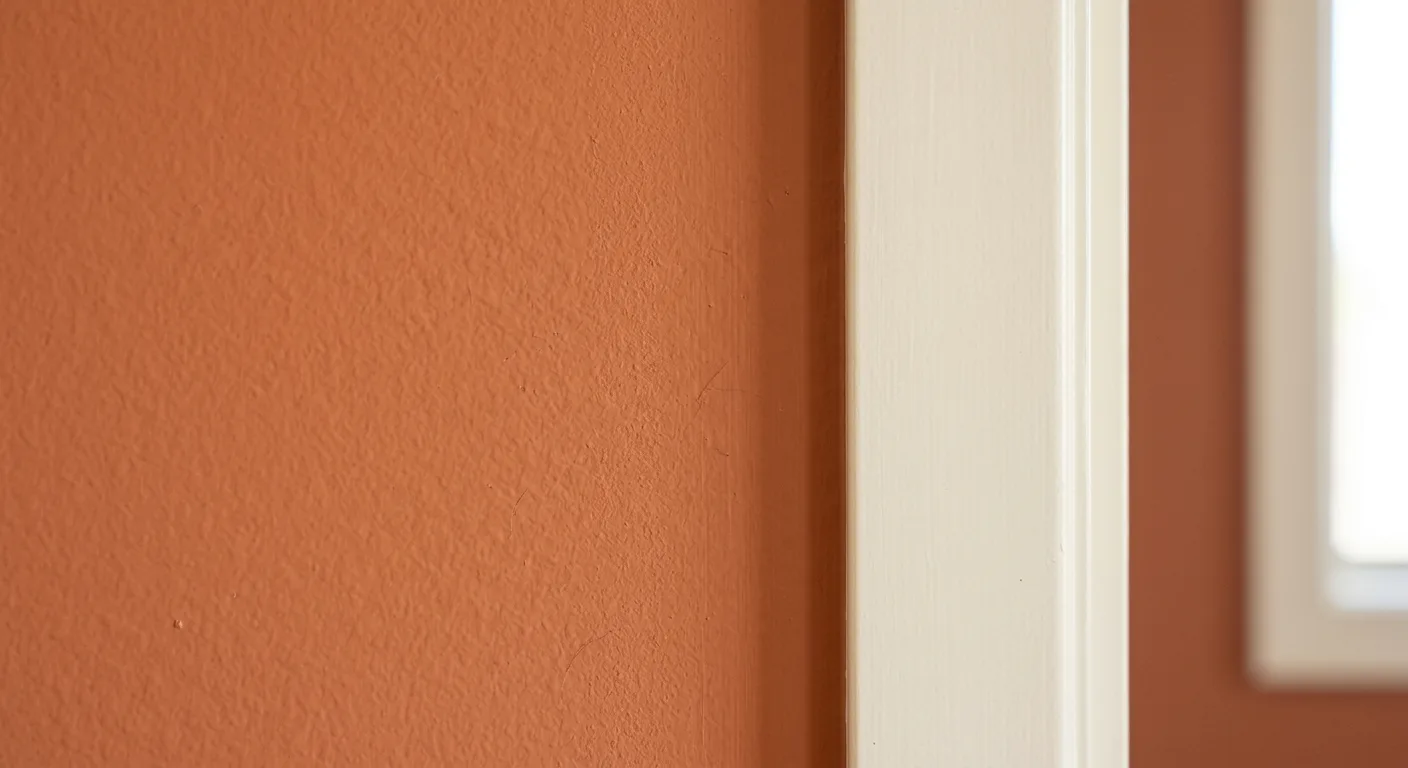
Direct desert sun chalks and fades an unsealed or thinly-coated stucco wall, hardest on the south and west elevations that take the full afternoon load. The pigment breaks down, the surface goes dusty to the touch, and the wall reads a decade older than the house. A UV-stable seal or coating is what holds the color against that exposure.
03

Hairlines open into real cracks

Fine map-cracking and heat hairlines are harmless until water starts cycling through them. Each monsoon-then-dry swing works the crack a little wider, and an unsealed wall has no barrier slowing that down. An elastomeric coat bridges those hairlines and keeps water out of them, which is the difference between a cosmetic crack and one that keeps coming back.
04

Freeze-isn't-the-problem, but dry-down is

Back east, sealing fights freeze-thaw. Here the real driver is the violent swing between a saturated monsoon week and months of bone-dry heat that pulls moisture back out fast. That cycle is what fatigues an unsealed surface, and it's why a seal spec that works in a wetter, milder climate is the wrong call on a Phoenix wall.

SELECTED WORK

Four spaces.
One consistent standard.

A compact look at recent exterior, interior, and whole-home finishes completed across Greater Phoenix.

START YOUR PROJECT

EXTERIOR INTERIOR CABINET REFINISHING WHOLE-HOME PAINTING

Sealer vs. coating

How to waterproof stucco in Arizona without trapping water in the wall

Waterproofing stucco the right way in Arizona comes down to one read that most crews skip: is water already getting in, and does this wall want a breathable sealer or a film-forming coat? Get that wrong and you can do more harm than good. Here's exactly how a Novak stucco sealing job runs.

  1. Check for a moisture source first. Before anything goes on the wall, Cody looks for the leak: a failed scupper, a bad sealant joint around a window, grading that pushes water at the base, or staining and soft stucco that says water is already inside. Sealing over an active leak traps the water in the wall, so this is the step that decides whether we even seal yet.
  2. Read what the wall wants. A sound, breathable wall that mostly needs water-repellency often takes a penetrating masonry sealer that soaks in and lets the wall breathe. A chalky, hairline-cracked, faded wall usually wants a pigmented elastomeric coating that bridges the cracks and locks in color. The wall tells us which, not a one-size spec.
  3. Prep and repair before sealing. We pressure-wash off the chalk and dust so the sealer or coating can actually bond, and we patch and re-texture any real cracks first. Sealing over dirty or cracked stucco just locks the problem in under a coat that peels.
  4. Seal or coat for the exposure. A penetrating sealer goes on to repel water while keeping the wall breathable. An elastomeric coat goes on in full-thickness passes to build the flexible, waterproof film that bridges hairlines and holds color against the sun. We spec the product to the elevation and how much UV and water it actually takes.
  5. Walk it with you. We check the sealed wall in daylight, confirm coverage at the base, the scuppers, and the sun-beaten faces, and walk it with you before we call it done.

Want someone to actually read the wall before quoting a seal? Call (480) 420-7391 and we'll come look at it in person.

When to reseal

When does stucco need resealing, and when does it not?

There's no calendar date that fits every wall, but there are honest signs the seal has given up, and a couple of signs it hasn't. Reading those before you spend is the whole point of an in-person look.

Signs the wall is ready for a reseal

Most Phoenix walls show it before you have to go looking. Watch for these:

  • Chalk that rubs off dusty on your hand when you drag it across the wall
  • Color that's faded unevenly between the shaded walls and the sun-beaten south and west faces
  • Hairline map-cracking that's started spidering across a field
  • Water staining, efflorescence, or a damp smell at the base of a wall after a monsoon
  • Water that soaks in and darkens the wall instead of beading and running off

The simplest field test: spray a patch of wall with a hose. If it darkens and drinks the water in, the seal is gone. If it beads and runs off, you've still got protection left.

When you don't need us yet

Straight talk, because it loses us the easy jobs: if your wall still beads water, the color's holding, and there's no cracking or staining, you don't need a reseal yet and we'll tell you that. A wall coated with a quality elastomeric a few years ago is usually still doing its job. Resealing a wall that's already protected is money spent early for no gain. Get a free estimate and we'll tell you honestly where your wall actually stands.

What you get

Stucco sealing on walls, trim, and facades, scoped as one job

The value here is that one crew reads the whole exterior, fixes what has to be fixed first, and seals each surface for what it actually is. Here's what stucco sealing covers with us, plus one honest note on when sealing is the wrong call for the day.
01

Waterproof sealing on aging walls

Faded, chalky, porous stucco walls washed down, repaired where needed, and sealed with a penetrating masonry sealer or a pigmented elastomeric coat rated for Valley UV and monsoon water. Scoped to the elevation so the sun-beaten faces get what they actually need.
02

Sealing after crack repair

Once we've patched and re-textured the cracks, sealing the wall is what stops water from working right back into the repair. We seal the repaired wall as one continued job, so the fix doesn't reopen by the next monsoon.
03

Trim, parapets, and facade details

Stucco trim bands, parapet caps, pop-outs, and facade detail take water and sun at their edges first. We seal those details along with the field so the whole facade sheds water as one surface instead of leaking at the trim.
04

When sealing is the wrong call today

Straight talk: if the stucco is bulging, soft to the touch, or there's active water already inside the wall from a leak above, sealing the surface traps that moisture in and makes it worse. We'll tell you that in person and point you to fixing the water source first, rather than sell you a coat that seals the problem in.

Stucco sealing across the Greater Phoenix area

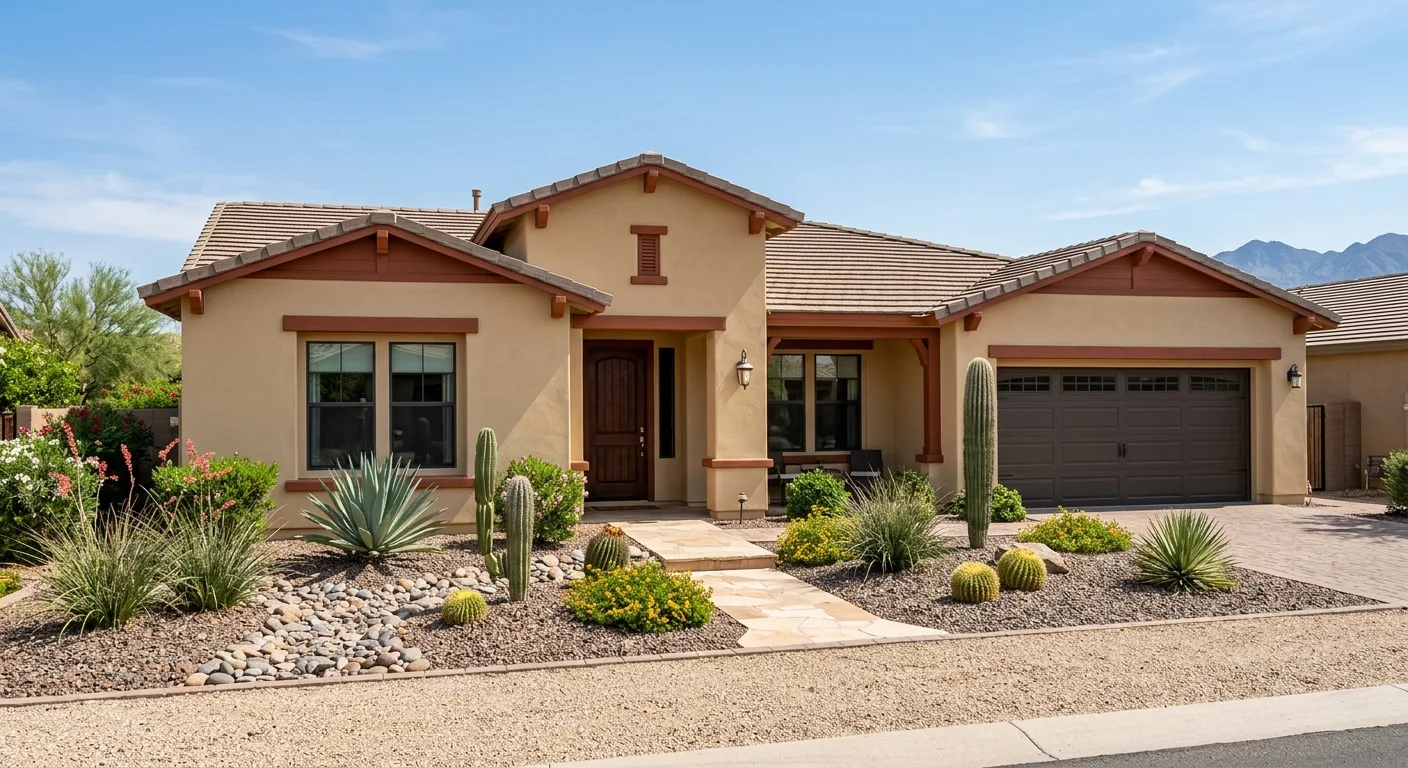
We seal stucco walls, trim, and facades throughout Phoenix and across the Valley: Scottsdale, Mesa, Tempe, Chandler, Gilbert, Glendale, Peoria, Surprise, Goodyear, Avondale, and Paradise Valley. From older Central Phoenix ranch homes with hand-troweled sand-float walls drinking up monsoon water to newer HOA builds out in the West Valley baking on their first repaint since the builder, the exposure and the surface are what we build every quote around. If the walls are cracked before they're sealed, we handle stucco crack repair and repainting first as part of the same visit. Sealing as part of a bigger job? We fold waterproof sealing into a full exterior stucco repaint across the same area. Not sure you're in range? Get in touch and we'll tell you straight.

Ready to seal the wall before the next monsoon?

Call Cody and the crew directly at (480) 420-7391 for a free, on-site stucco sealing estimate. No voicemail maze, no scheduling software, just a real conversation about whether your wall wants a sealer, a coat, or a leak fixed first.

Call (480) 420-7391

Or send us your info

Ready when you are

Get an honest stucco sealing quote, on site, for free.

Tell us what the wall is doing and we'll follow up within one business day. We come read the actual wall before we give you a number, and we'll say straight up whether it needs a seal, a repair first, or a moisture source fixed before anything goes on. No pressure, no upsells.

Free estimatesBonded & insuredRight product for the wall

WHY NOVAK

Why the finish holds up.
It’s built in layers.

A paint job is only as good as the system underneath it.

Novak Painting Group treats scope, preparation, coating selection, and final inspection as one connected process, not separate tasks to rush through.

CLEAR SCOPE SURFACE-SPECIFIC PREP PHOENIX-READY COATINGS
THE NOVAK FINISH SYSTEM FOUR LAYERS FROM SUBSTRATE TO WALKTHROUGH

Scope before color

Surfaces, repairs, products, colors, access, and timing are defined before work begins.

The finish starts underneath

Protection, cleaning, repair, sanding, and priming create the surface the topcoat needs.

Chosen for Phoenix

Coatings are matched to the material, exposure, sheen, and demands of Arizona heat and sun.

Checked in the light it lives in

Coverage, edges, touchups, and the final walkthrough are handled with the same careful eye.

Frequently Asked

Frequently Asked Questions

Does sealing stucco stop cracks? +
It depends on the crack and the product. Sealing won't stop a crack caused by a structural or foundation problem, and it won't close a crack that's already wide and stair-stepped, that's a repair, not a seal. What a pigmented elastomeric coating does do is bridge existing hairline and fine map-cracks and keep water out of them, which stops those cosmetic cracks from cycling open wider every monsoon-then-dry swing. A penetrating masonry sealer makes the wall water-repellent but doesn't bridge cracks, so on a hairline-cracked wall we usually steer toward the elastomeric. The honest version: sealing prevents and holds hairline cracks, but real cracks get patched and re-textured first, then sealed. We read which one you've got in person before quoting.
What's the difference between elastomeric and masonry sealer for stucco? +
They do two different jobs, which is why we spec by the wall. A penetrating masonry sealer soaks into the stucco and makes it water-repellent while leaving it breathable, so moisture vapor can still escape the wall. It's usually clear or near-clear and it keeps the wall's natural look, best on a sound, un-cracked wall that mainly needs water-repellency. An elastomeric coating is a thick, flexible, pigmented film that goes on top, bridges hairline cracks, and both waterproofs and recolors the wall, best on a faded, chalky, hairline-cracked wall. The tradeoff: elastomeric is less breathable, so if there's a hidden moisture source it can trap water in the wall, which is exactly why we check for a leak before we ever coat. The wall and its condition decide which one is right, not a default.
When does stucco need resealing in Phoenix? +
There's no fixed calendar date, because it depends on the product last used and how much sun and water the wall takes. The reliable test is the wall itself. Spray a patch with a hose: if the water beads and runs off, you've still got protection; if it soaks in and darkens the wall, the seal is gone. Other signs it's time are chalk that rubs off dusty on your hand, uneven fading between shaded and sun-beaten walls, hairline map-cracking spreading across a field, and staining or efflorescence at the base after a monsoon. The south and west elevations that take the full afternoon sun almost always need it before the shaded sides do. We'll look at the actual wall and tell you honestly whether it's ready or whether you've still got good protection left.
Can you seal stucco if there's water getting into the wall? +
Not until the water source is fixed, and this is the single most important thing we check before sealing anything. If a failed scupper, a bad window sealant joint, grading that pushes water at the base, or a roofline leak is already letting water into the wall, sealing the surface traps that moisture inside, where it feeds rot, efflorescence, and worse cracking. That's doing more harm than leaving the wall open. So before we seal, Cody checks for staining, soft or bulging stucco, and the common leak points in person. If there's an active moisture source, we flag it and get it handled first, then seal. We'll tell you straight whether it's a seal job today or a fix-the-water job first.
Is sealing part of stucco repair or a separate job? +
It can be either, and we scope it both ways. Sealing is the natural last step after stucco crack repair, because once we've patched and re-textured the cracks, sealing the wall is what keeps water from working right back into the repair. In that case the seal folds into the repair as one continued job. But plenty of walls don't need any patching, they're just porous, faded, and overdue for protection, and there sealing is a standalone maintenance job on its own. We also fold waterproof sealing into a full exterior repaint when that's the bigger project. We scope whichever shape fits your wall, and we'll tell you in person which one you actually need.
Are you insured, and are estimates free? +
Novak Painting Group is bonded and insured, and every estimate is free. Owner Cody Novak comes out and reads the wall personally, checks for any moisture getting into the wall first, tells you whether it wants a breathable sealer or an elastomeric coat, and gives you the number before any crew shows up. There's no call center and no commissioned salesperson between you and the crew doing the job. Call or text (480) 420-7391 for a straight answer on what your stucco takes.

Related

Start your project

A better finish starts with a clear conversation.

Share the space, scope, and timing. Our team will respond within one business day with a clear next step.

01 Free estimate
02 Clear scope
03 No pressure
Prefer to talk? Call Novak Painting Group (480) 420-7391
Project brief

Tell us what you're planning.

01 / 05

Your details stay with Novak Painting Group and are used only to discuss your project.

THE STANDARD BEHIND EVERY PROJECT

Prepared with purpose. Finished with precision.

Painting done the Novak way.

Clear scopes, careful preparation, accountable crews, and finishes made to last.

START YOUR PROJECT