Here's how a Novak touch-up job actually runs, so you know what you're paying for on a small job and why it doesn't just mean dabbing paint on a mark.
1. Walk the spots and quote in person. Cody looks at each mark, checks how the wall has aged, and sorts the true touch-ups from any walls that really need a full coat. That in-person look is what the number is built on, not a guess over the phone.
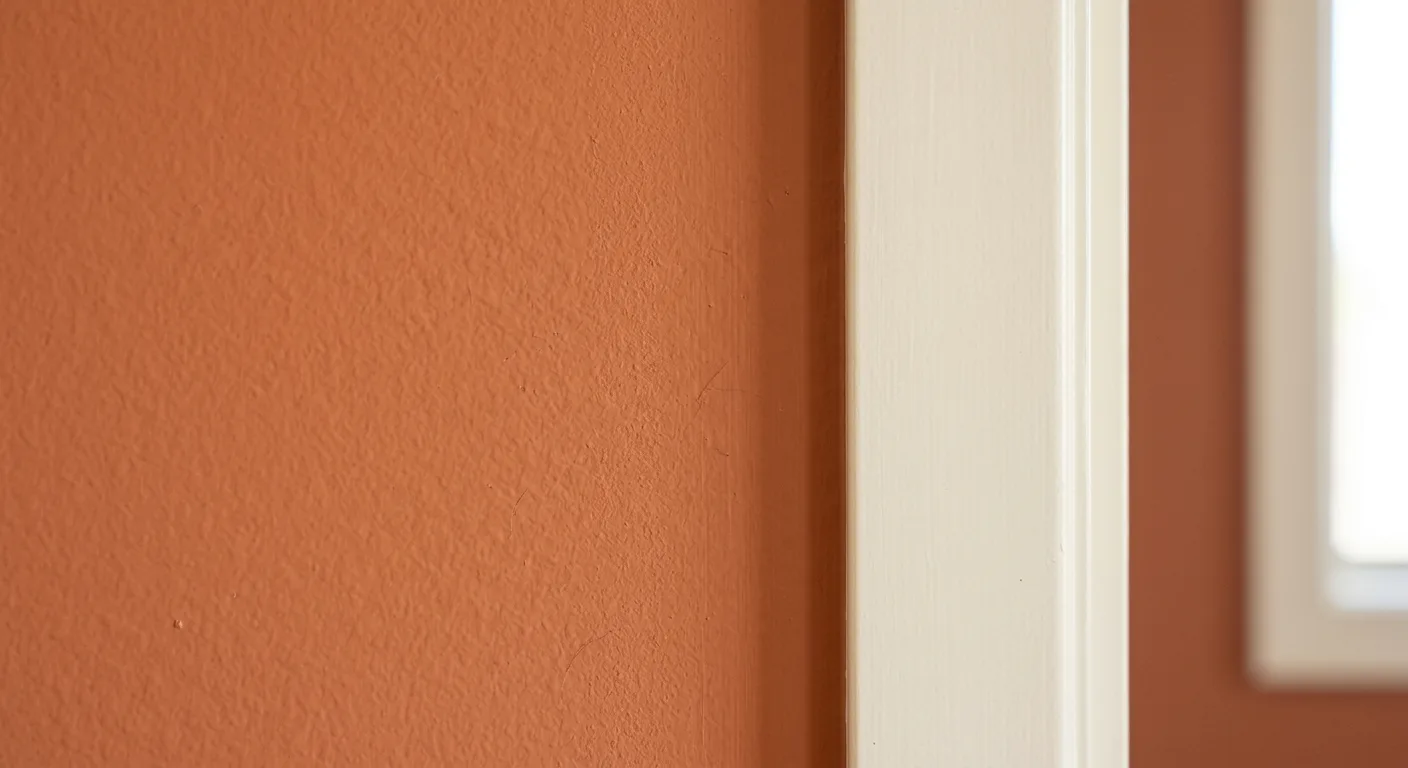
2. Match the color and the sheen. If you have the original paint, we use it. If you don't, we match the color off the wall and match the sheen too, because the right color in the wrong sheen still shows.
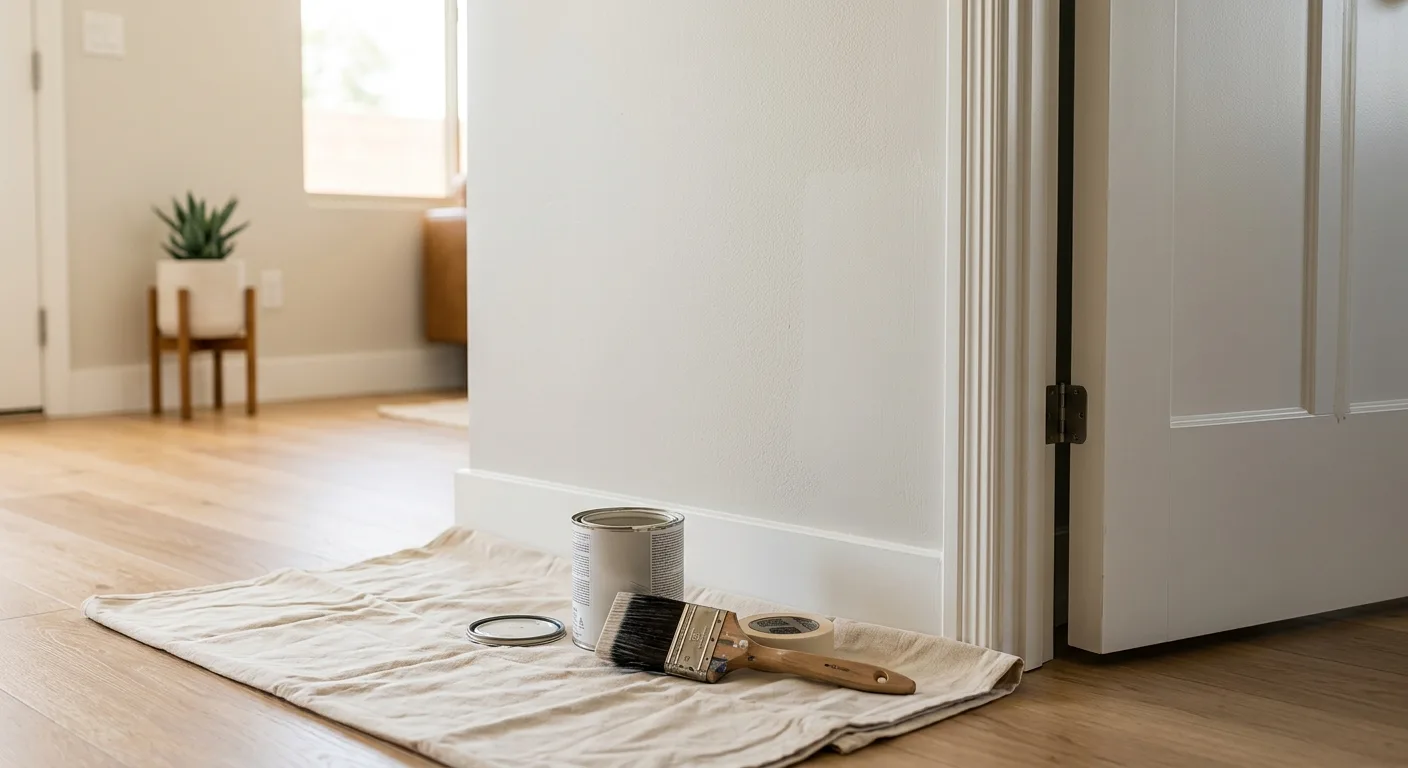
3. Patch and spot-prime first. Nail holes, dents, and dings get filled, sanded flush, and spot-primed so the repair doesn't flash or soak up paint differently than the wall around it. Skipping the prime is why a lot of DIY touch-ups show.
4. Feather the edges, don't just dab. We blend the touch-up outward into the surrounding paint so there's no hard line where the new meets the old. On a wall that won't take a spot cleanly, this is where we coat the full wall instead.
5. Check it in daylight before we call it done. A touch-up that looks fine under a work light can show once real light hits it. We look at it in daylight, at an angle, the way you will.
Anybody can dab paint on a scuff. Making it disappear is color-match, sheen-match, spot-prime, and a feathered edge, and knowing the one wall where none of that will save a patch.
On cost: a touch-up job is quoted on the actual list of spots, so it's small by design. What moves the number is how many marks and rooms are in scope, whether you have the original paint or we're matching it, how much patching the surfaces need, and whether any walls turn out to need a full coat instead of a spot. That's exactly why the estimate is free and done in person. Call (480) 420-7391 and we'll come look before quoting.